

Baia di Ieranto Is One of the 8 Marine Wonders of the World: BBC Crowns It for 2026
A sacred, wild and irresistible place: the hidden bay of the Sorrento Coast wins over BBC journalists and climbs international rankings.
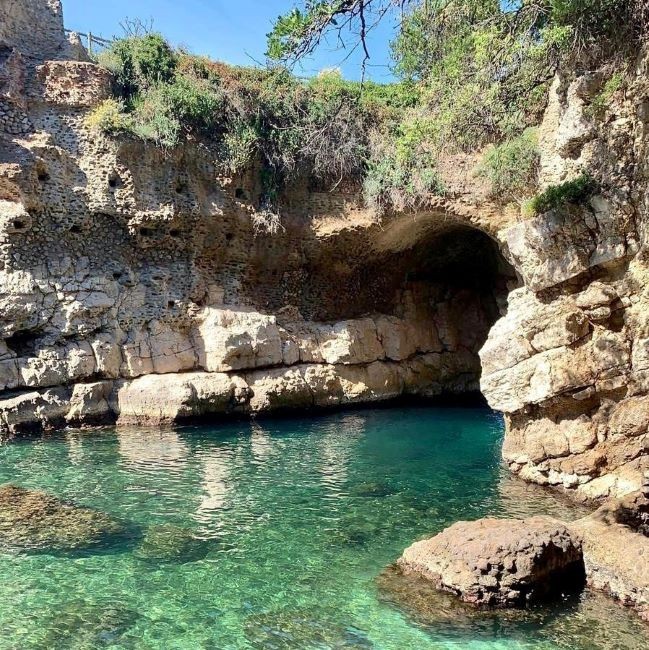
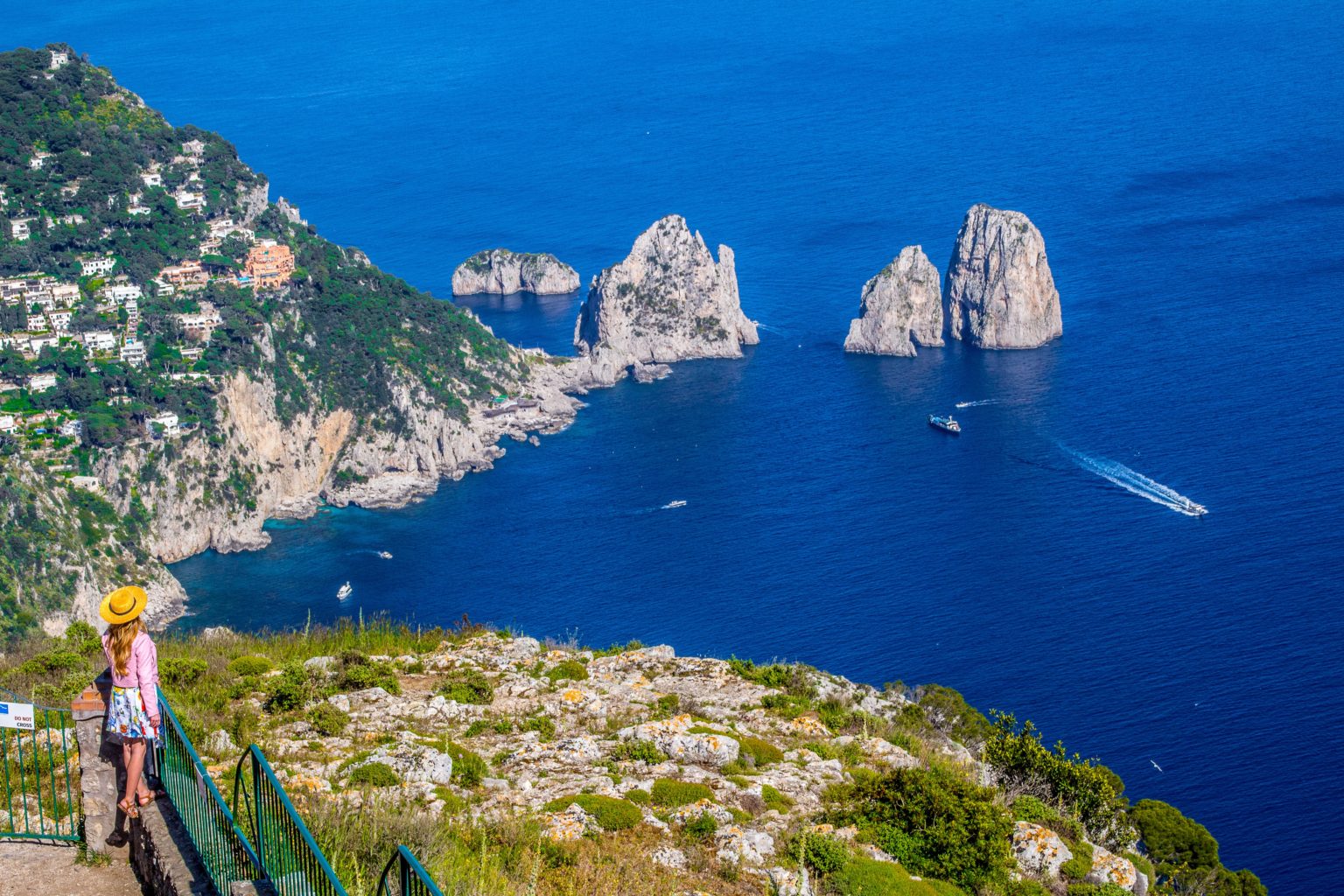
There is a secret corner of Italy that the world has finally discovered. Its name is Baia di Ieranto — from the Greek ieros, meaning "sacred place" — and it lies in the municipality of Massa Lubrense, in the province of Naples, nestled within the Punta Campanella Marine Protected Area, right in front of the famous Faraglioni rocks of Capri.
This year, a team of BBC journalists included it in the 8 Best Beaches in the World for 2026: a prestigious recognition, awarded each year to the most extraordinary coastlines on the planet.
The choice was explained by journalist Eva Sandoval, in words that perfectly capture the soul of this place:
"Most tourists who visit the Sorrento and Amalfi Coast imagine sandy beaches, only to discover that its shores are rocky and scattered with pebbles. For me, it is precisely this wild nature that makes it so charming."
Ieranto is not a beach for everyone. To reach it, you must walk a 2.5-kilometre trail starting from the village of Nerano: the climb is steep, but the reward is, in the words of the BBC, "a sublime panorama of ink-blue waters, green cliffs and cerulean sky." A word of advice: bring water and set off early.
A Place of Legends and Unspoiled Nature
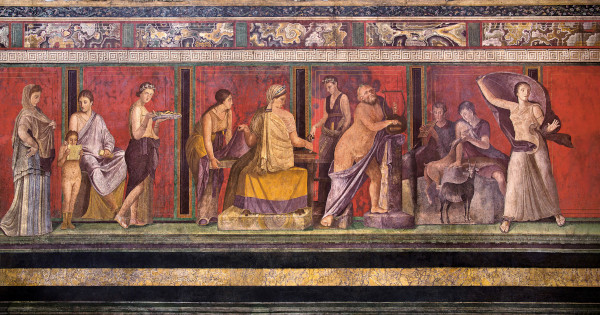
Baia di Ieranto is not just visual beauty — it is a place steeped in history and myth. According to legend, it was in these very waters that the Sirens tried to lure Ulysses with their song, during his journey home to Ithaca. An ancient charm that can still be felt today, among the silent coves and crystal-clear waters.
Today the bay is a natural laboratory where environmental conservation and eco-sustainable activities coexist, thanks to the work of the Marine Protected Area and the FAI (Italian Environment Fund), which manages access and protection of the site.
Photo Credit: Di Thomas Möllmann - Opera propria, CC BY-SA 3.0, https://commons.wikimedia.org/w/index.php?curid=554918